
Bali, often referred to as the “Island of the Gods,” is renowned for its rich cultural heritage, stunning landscapes, and, notably, its spa culture. The history and evolution of spa culture in Bali is a fascinating journey that intertwines ancient traditions with modern wellness practices, creating a unique and holistic experience for visitors.
Ancient Beginnings: The Roots of Balinese Spa Culture
The origins of spa culture in Bali can be traced back to ancient times when the island’s inhabitants practiced traditional healing methods deeply rooted in their spiritual beliefs. Balinese healing rituals often involved the use of natural ingredients such as herbs, flowers, and essential oils, which were believed to possess therapeutic properties. These early practices were not only aimed at physical well-being but also at achieving harmony between the body, mind, and spirit.
One of the most significant aspects of traditional Balinese healing is the use of boreh, a herbal paste made from a mixture of spices and herbs. Boreh was traditionally applied to the body to relieve muscle aches, improve circulation, and detoxify the skin. This practice, along with other traditional treatments, laid the foundation for the spa culture that would later flourish on the island.
The Influence of Hinduism and Ayurveda
The arrival of Hinduism in Bali around the 1st century AD brought with it the ancient Indian system of medicine known as Ayurveda. Ayurvedic principles, which emphasize balance and holistic well-being, seamlessly integrated with the existing Balinese healing practices. This fusion led to the development of unique spa treatments that combined local ingredients with Ayurvedic techniques.
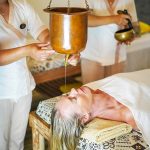
Balinese massages, for example, often incorporate elements of Ayurvedic massage, such as the use of warm herbal oils and specific massage strokes designed to balance the body’s energy. This blend of traditions created a distinctive spa experience that continues to attract wellness seekers from around the world.
The Rise of Modern Spa Culture
The modern spa culture in Bali began to take shape in the late 20th century as the island’s tourism industry boomed. Luxury resorts and wellness retreats started to emerge, offering sophisticated spa facilities and a wide range of treatments. These establishments drew inspiration from Bali’s rich cultural heritage, incorporating traditional healing practices into their spa menus.
One of the key developments during this period was the introduction of spa villas—private, standalone structures within resorts that provided an intimate and serene environment for spa treatments. These villas often featured open-air designs, allowing guests to connect with nature while enjoying their treatments. The concept of spa villas quickly gained popularity and became a hallmark of Balinese spa culture.
The Evolution of Spa Treatments
Over the years, Balinese spa treatments have continued to evolve, blending traditional techniques with modern innovations. Today, visitors can experience a diverse array of treatments that cater to various wellness needs. Some of the most popular treatments include:
- Balinese Massage: A full-body massage that combines gentle stretches, acupressure, and aromatherapy to promote relaxation and rejuvenation.
- Lulur: A traditional Javanese body scrub made from turmeric, rice powder, and other natural ingredients, followed by a soothing yogurt application.
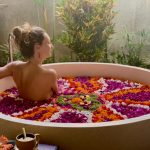
- Flower Baths: Luxurious baths infused with fragrant flowers and essential oils, designed to soothe the senses and nourish the skin.
- Sound Healing: A therapeutic practice that uses sound vibrations from instruments like singing bowls and gongs to promote deep relaxation and healing.
The Future of Spa Culture in Bali
As the wellness industry continues to grow, Bali remains at the forefront of spa innovation. The island’s spa culture is constantly evolving, with new treatments and wellness practices being introduced to meet the changing needs of visitors. Sustainability and eco-consciousness are also becoming increasingly important, with many spas adopting environmentally friendly practices and using locally sourced, organic ingredients.
In conclusion, the history and evolution of spa culture in Bali is a testament to the island’s ability to blend tradition with modernity. From ancient healing rituals to luxurious spa retreats, Bali offers a unique and holistic wellness experience that continues to captivate and inspire visitors from around the world.